
Rome de Rossi: The Making of a Modern Creative Force
Rome de Rossi doesn't fit neatly into a single category. You might spot his work on a gallery wall in Los Angeles one week and on a limited-edition sneaker the next. That fluidity is the point. In a creative landscape that often rewards specialization, de Rossi has built a reputation by refusing to stay in one lane—and somehow making it look deliberate rather than scattered.His early years were spent bouncing between skate parks and design software, a combination that shaped his instinct for raw。kinetic visuals. "I never thought of it as two separate things," he told an interviewer in 2021. "Skating taught me how to read a space, how to find lines. Design was just another way to do that." That perspective shows up in his graphic work, which often features skewed grids, layered textures, and a sense of motion that feels almost physical. A 2022 series for a downtown arts festival turned an entire alley into a typographic playground—visitors walked through his compositions rather than past them.
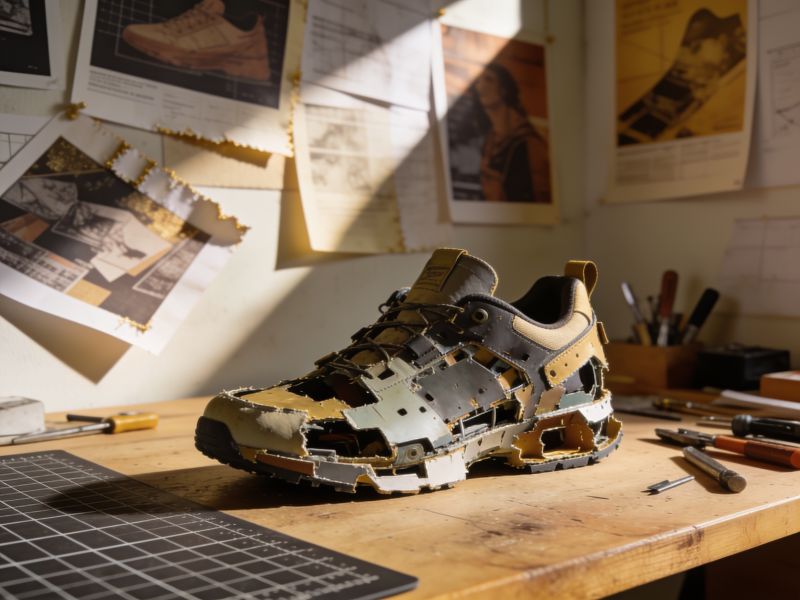
What sets Rome de Rossi apart isn't just technical skill. It's his willingness to engage with the messy side of creative production—budgets, deadlines, collaborators who don't share his vision. He's spoken openly about the frustration of seeing a concept diluted by committee. "You fight for the weird version," he said at a panel last year. "Sometimes you lose. But you fight." That attitude has earned him a loyal following among younger designers who see his career as proof that you can stay stubborn and still pay rent.Commercial work hasn't softened his edge. A recent collaboration with a footwear brand produced a shoe that looked more like a deconstructed sculpture than a sneaker—and it sold out in hours. Critics called it impractical. Buyers didn't care. De Rossi shrugged off the debate: "If it makes you look twice, I've done my job." It's a simple metric, but it's consistent. Whether he's directing a music video or designing a book cover。the goal is the same—make the viewer pause, then lean in.Looking ahead, Rome de Rossi seems less interested in scaling up than in digging deeper. He's mentioned a desire to work more slowly, to spend a year on a single project instead of juggling five. That might frustrate fans who want more output, but it's hard to argue with the results so far. In a culture that treats speed as a virtue, de Rossi's insistence on taking his time feels almost radical. And that。perhaps, is the most telling thing about him: he's not chasing relevance. He's building something that might actually last.
Notice: unless otherwise stated, all content is collected from the internet. If it infringes your rights, please contact us for removal.